
September marks a particularly exciting time for chili enthusiasts, as it coincides with the peak of the Hatch chili harvest season. Hatch, a small town in New Mexico, has earned a legendary reputation for producing some of the finest chili peppers in the world. The combination of the region’s unique climate and soil conditions results in Hatch chilies with a distinctive flavor profile—rich, smoky, and moderately spicy.
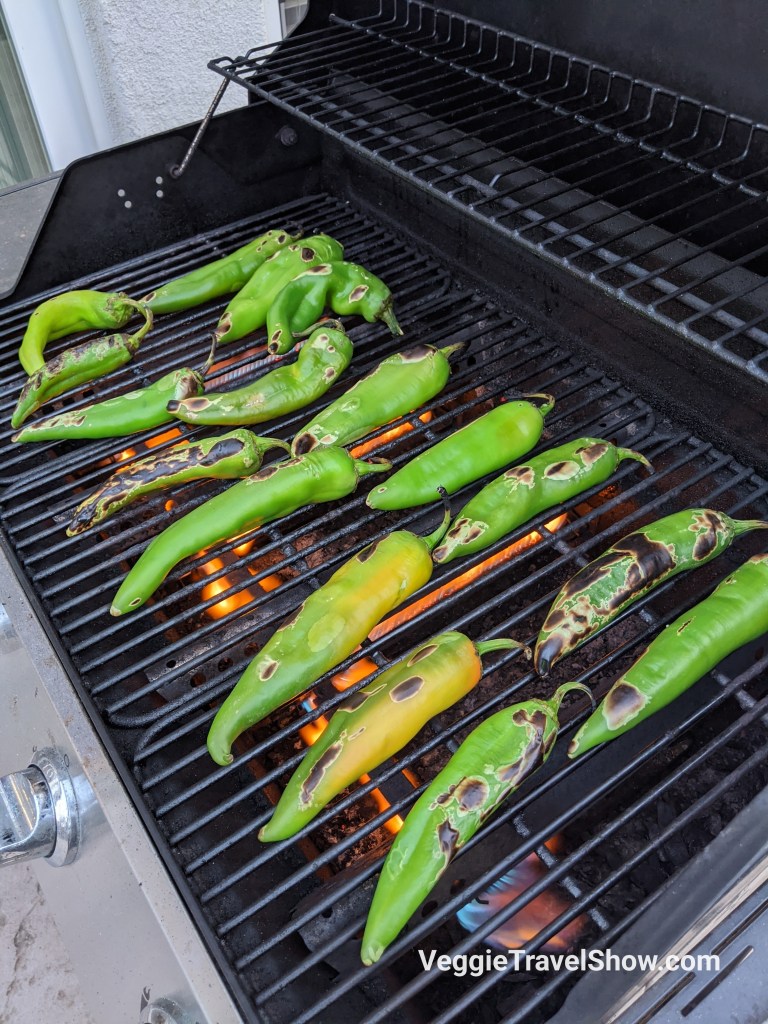
During this season, local farmers work tirelessly to pick these prized peppers at their peak ripeness, ensuring the highest quality and flavor. It’s a time of celebration in the Hatch Valley, with festivals and events dedicated to these fiery gems, and chili lovers everywhere eagerly anticipate the arrival of fresh Hatch chilies to elevate their culinary creations. Roasting these chilies at home during September’s harvest season is a cherished tradition that brings the essence of the Hatch Valley straight to your kitchen, allowing you to savor the true taste of this remarkable chili pepper.
It’s worth noting that Hatch chilies are sometimes synonymous with Big Jim peppers. The term “Hatch chili” doesn’t refer to a specific variety of chili but rather to chili peppers grown in the Hatch Valley region of New Mexico, which is renowned for its ideal growing conditions and exceptional chili production.
Roasting chili peppers is a fundamental culinary technique that brings out their unique flavors and adds a smoky, charred dimension to your dishes. Whether you’re preparing them for a specific recipe or simply want to have roasted peppers on hand for various uses, here’s a step-by-step guide on how to roast chili peppers:
Selecting the Peppers:
Begin by choosing the type of chili peppers you want to roast. Popular options include Anaheim, poblano, jalapeño, or even bell peppers for a milder option. The choice depends on your heat preference and the specific recipe you have in mind.
Roasting Methods:
There are several methods to roast chili peppers, each with its own charm. Here’s how to do it using an open flame:
- Direct Flame (Gas Stove or Grill): Place the peppers directly over a gas burner or on a preheated grill. Use tongs to turn them occasionally.
- Oven Broiler: Arrange the peppers on a baking sheet and place them under the broiler in your oven. Keep an eye on them, turning as needed, until the skin blackens and blisters.
- Gas Stove (Using Tongs): Hold the peppers with tongs over an open flame, rotating them until the skin is charred all over.
Peeling and Seeding:
Once your peppers are roasted, transfer them to a bowl and cover it with a kitchen towel or plastic wrap. This step allows the steam to build up, making it easier to remove the skin. After a few minutes, peel off the blackened skin using your fingers or a knife.
Next, slice the peppers open and gently remove the seeds and membranes. This is where most of the heat resides, so adjusting the spiciness level of your dish is in your control. Rinse the peppers under cold water to ensure all seeds are gone.
Now, your roasted chili peppers are ready to be used in your favorite recipes. Whether you’re adding them to salsas, sandwiches, pasta dishes, or enjoying them as a side, the smoky, rich flavor of roasted peppers will enhance your culinary creations. Experiment with different pepper varieties and roasting methods to discover the unique nuances they bring to your dishes. After roasting, chili peppers can be conveniently frozen, preserving their smoky flavor and spiciness for later use in your favorite recipes. Happy roasting!
 VeggieTravelShow.com - veggie food, travel & music!